The Evolution of Euroscepticism: A Critical View of European Integration
by Michael Gatt
Euroscepticism is a political position which has been around since the beginning of the EU and before, as the concept of a federalised and unified continent has always faced opposition. Euroscepticism in itself serves as a criticism of the European Union itself, and therefore, by extension the European Parliament, as it criticises the concept of European integration.
Euroscepticism can take place in conjunction with the wish to restore traditional national sovereignty, which Eurosceptics claim is threatened by the growth of power of the EU. Another definition describes Euroscepticism as a: “European political doctrine that advocates disengagement from the European Union (EU). Political parties that espouse a Eurosceptic viewpoint tend to be broadly populist and generally support tighter immigration controls in addition to the dismantling or streamlining of the EU bureaucratic structure”.
The concept of Euroscepticism has spread across the entire continent, and, as it describes any opposition to the process of integration, it ranges from a soft form of Euroscepticism, referring to those who are in favour of reform within the institutions and oppose some of their policies, all the way to a hard form of Euroscepticism, referring to those who are wholly against any form of membership within the EU, as they view the Union to be unreformable, and as such advocate for leaving the EU. The common tendency that stems from the two, however, is the belief that integration undermines a State’s national sovereignty, as well as that the EU tends to lack transparency, is too bureaucratic, drives privatisation of businesses, and encourages high and uneven levels of migration. Although Euroscepticism is stereotypically associated with certain parties on the political spectrum, it can be discovered on both sides, right and left, with an inclination to be found in more populist parties, with the left-wing focusing on the economic issues, such as the European debt crisis, and the right-wing focusing on immigration and nationalist policies.
Euroscepticism Throughout the Ages:
Following the devastation created by World War II, Europe was forced into rebuilding both economically as well as structurally. Western European countries saw politics and economic integration as the main path to peaceful reconciliation between former rivals. With that, a supranational organisation, the European Coal and Steel Community (ECSC) was founded in 1952, bringing together the BENELUX, Germany, France, and Italy, in order to facilitate the free movement of coal and steel and to free up access to sources of production. This provided a template for the European Economic Community (EEC), another supranational organisation which was created as a free-trade bloc in the 1957 Treaty of Rome. Throughout the following years, the membership of countries within the EEC doubled, with custom union trade increasing considerably.
The idea of a federal Europe grew as the progression towards the creation of a single organisation to regulate the European economy, security, and social policy, however, this met a roadblock when the ratification of the Maastricht Treaty was rejected by Denmark in 1992, until months later France approved the ratified treaty, which only barely passed, a result which proved how in West Europe the political climate had shifted. National referenda were held in each candidate country, and the electoral upsets in Scandinavia leading to a near-defeat of the Maastricht Treaty, were obvious signs of a growing resistance against the EU, with rising political parties advocating a view which is Eurosceptic. In contrast, the former Director-General at the EU Council Jim Cloos said that “Maastricht was indeed a key moment in European integration because it represented both the crowning achievement of economic integration with the creation of the single currency and the move towards a true European Union”. The growing influence of the Eurosceptic ideology led to the emergence of Eurosceptic political parties, which created several implications, and which can be classified into hard and soft Eurosceptics.
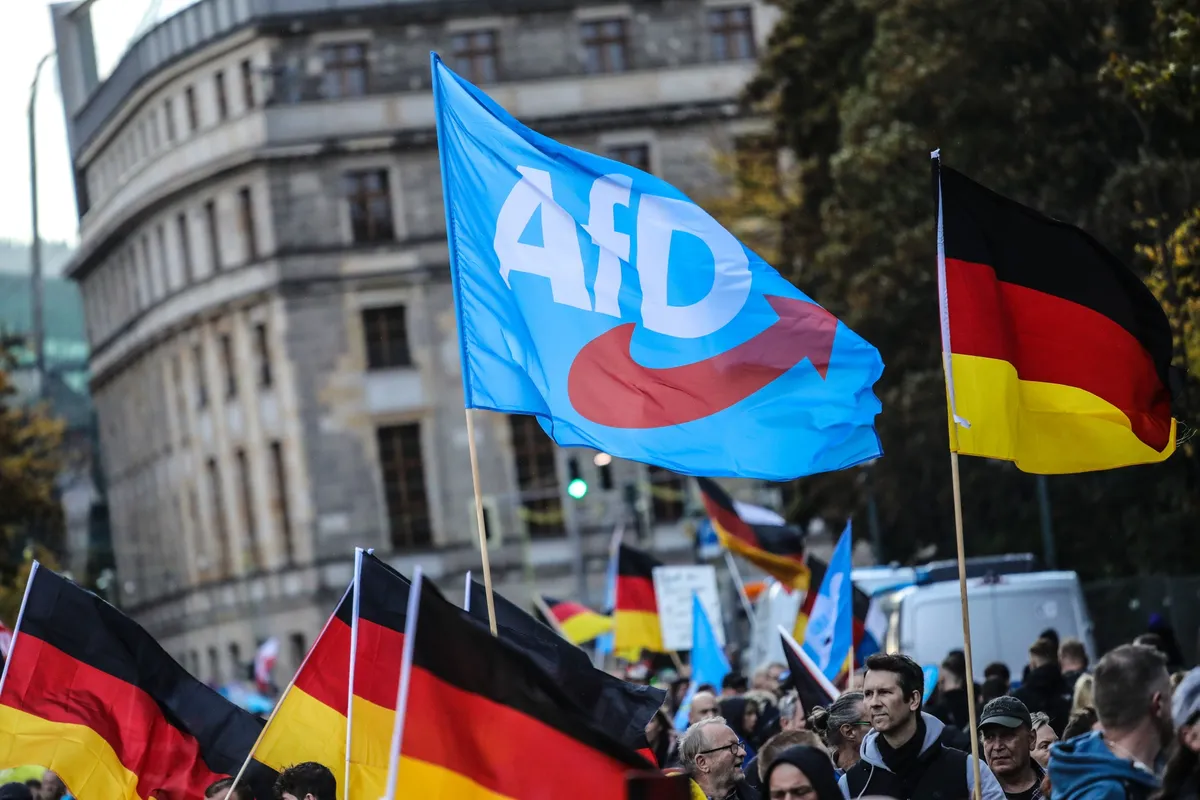
A significant hard Eurosceptic party is the United Kingdom Independence Party (UKIP), which grew exponentially following its establishment in 1993. This party found its foundation in the British withdrawal from the EU, a movement which later came to be called BREXIT, as well as promoting their anti-immigration policy, and successfully acquiring more and more seats within the European Parliament. UKIP found support from the mainstream national party of the Conservative Party, whose leader, and then Prime Minister, David Cameron promised to hold a referendum on whether or not the UK should remain in the EU, which took place in 2019. Hard Eurosceptic parties furthermore include the Italian Fratelli d’Italia and Alternative für Deutschland in Germany.
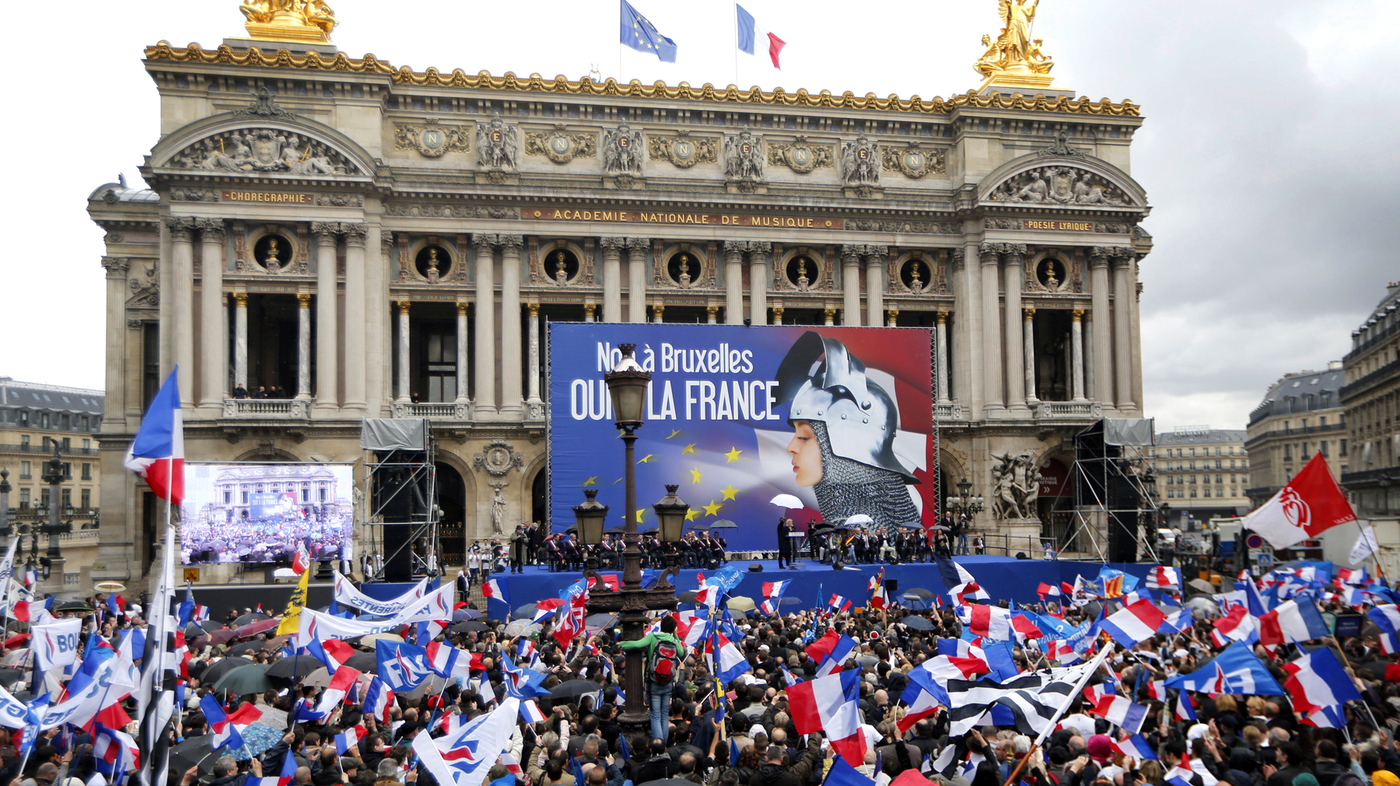
From a less extreme perspective, there exist soft Eurosceptic parties, an example of which is Lega Nord from Italy, which wished to implement the division of Italy into two states and the reintroduction of the Italian Lira. Other such parties tend to be renowned for the promotion of anti-Islamic anti-immigration policies such as the Dutch Partij voor de Vrijheid and Marine Le Pen’s National Front. Among other examples of soft Eurosceptic parties are Fidesz in Hungary, Law and Justice in Poland and Vox in Spain. Support for Eurosceptic parties was low throughout most of the 2000s, but since the 2008 financial crisis, the share of votes in national elections for hard Eurosceptic parties has risen from less than 5% to 14%, according to various Commission reports.
Following the euro-zone debt crisis, the 2014 European Parliament elections were met with huge waves of Eurosceptic votes, as mainstream centre-left and centre-right parties across Europe received unusually fewer votes. Therefore, these elections marked a significant moment in the history of the EU. Where once European integration and the progression of a stronger and more democratic Europe seemed like a common goal, now uncertainty and doubt stood in opposition of a united continent. Therefore, many no longer see the EU as the solution for a common political and economic body, due to the growing Eurosceptic movement, and especially in the UK, due to BREXIT.
The Growth of Euroscepticism:
Euroscepticism has tended to peak and increase when the EU faces crisis and at the most difficult of times, with the Eurozone crisis and the great recession in the beginning of the 2010s, together with the massive migration of refugees escaping the war in Syria in 2015, resulting in several spikes in Eurosceptic beliefs. Countering this on the other hand, following the Covid-19 pandemic and Russia`s invasion of Ukraine, the EU has actually found a lot of support from its member states, who have galvanised support for joint action. On a similar note, several parties have softened their hard approach to the EU with Marine Le Pen and Matteo Salvini both taking a different view after achieving electoral success.
Therefore, the EU faces many different challenges as well as perspectives when it comes to the Eurosceptic approach. As mentioned, Eurosceptic parties have received an increasing number of votes in national elections, numbers which have sent shockwaves across Europe. When this statistic takes into account soft Eurosceptic parties, it has stretched from approximately 7% to 27% in 2022 and is consistently on the rise. On the other hand, following the 2016 BREXIT referendum, support for hard Eurosceptic movements has not drastically increased, which is likely due to the consequences and repercussions of the British situation after leaving the EU, as French President Emmanuel Macron has stated that the EU must “convey the message that you cannot leave without consequences”.
Reports find that combinations of both soft and hard Eurosceptic movements are specifically strong in Hungary, Italy, Poland, and even France, as they are governed by coalitions or parties that are Eurosceptic and represent half the electorate, with levels in the Netherlands and Sweden (both 25%) and in Belgium (20%) increasing in support.
Regional Differences in Euroscepticism:
Different Member States have different perspectives of the benefits and disadvantages of the EU. This also means that certain regions tend to oppose European integration more than others, and historically this was the United Kingdom, whose citizens were opposed to the EU enough to lead to the BREXIT movement and its eventual completion via the far-right party UKIP. With the far-right National Front party, France has proven to be one of the Western European countries with a developing Eurosceptic movement, together with Italy, whose current Prime Minister Georgia Meloni from the party ‘the Brothers of Italy’, which aims to reduce EU influence in Italian law-making, and the recently elected Dutch right-wing populist Party for Freedom (PVV), led by Geert Wilders.
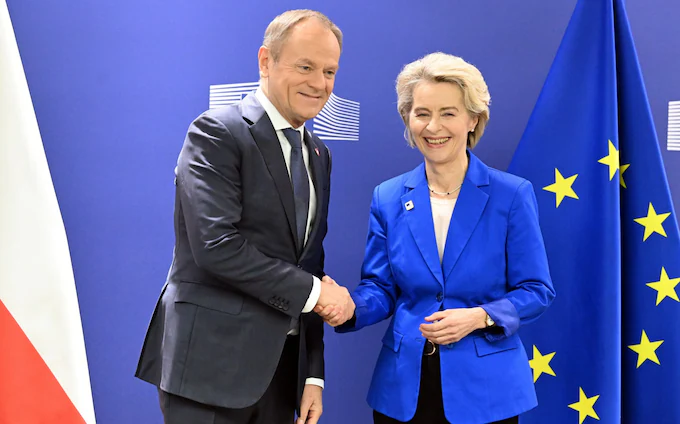
The Northern region of Europe has also had its fair share of Eurosceptic growth in recent years. Norway has remained Eurosceptic ever since they voted against joining the EU in 1995, remaining discouraged by economic reasons, with other countries following suit. Poland and Hungary lead the Central and Eastern European countries most prominently in electing several Eurosceptic governments, although Poland is now facing several internal changes through Donald Tusk. Despite their unfavourable approach when it comes to the EU on cultural matters, citizens still tend to retain some faith in integration due to the economic benefits. The trend for the distribution of votes also tends to vary within the country itself, whereby in France Euroscepticism is prevalent in the Northeast and along the Southern Mediterranean coastline, while in Poland it is concentrated in the East, similarly to Germany, for whom it corresponds to its initial old border. Finally, in Belgium, it is dependent on the linguistic border with the movement growing in the Flanders. These economic and cultural factors tend to coincide geographically, as big cities are inclined to be economically diverse, dynamic locations in which progressive ideas can be accepted. On the other hand, smaller towns, cities and rural areas tend to lack these characteristics.
This brings about what is called the concept of the regional development trap. If the prosperity of the inhabitants of a region does not improve in relation to their past performance, or if their economic growth falls behind the average of their nation or that of the EU, then there is a regional development trap. With this, the tendency is that places which fall into this trap grow in discontentment, and this happens especially either when territories are in decline or when a territory has always fallen behind the others. This is always relative to the perceptions of development of the individual, especially when the standard of living of the country is taken into consideration. Standards of living across the entirety of Europe have drastically improved, however not evenly, with large groups in North-East France, Italy, and Greece struggling to keep up with the rest and hence falling in the risk of entrapment, especially between 2001 and 2018. Other factors to take into consideration are the intensity of the trap, with the most intense traps found in Greece and Croatia, and the duration of the traps, for whom Greece and Spain top the charts, with the duration of the trap directly proportional to the difficulty of escaping it. It is clear then that the regional development trap within several nations in the EU plays a pivotal role in the policy-making process of a nation, and therefore has a direct link with the country’s perspective on Euroscepticism.
The Opposition to the EU:
The main and most prominently discussed issue for the opposition to the EU is that of national sovereignty, whereby many feel that the EU imposes itself on its Member States to the extent that they feel that their national sovereignty and ability to self-govern is threatened. Eurosceptics claim that the EU therefore deprives their nations the ability to make their own political decisions and snuff out their respective voices. However, while it is true that the Member States have transferred a part of their sovereignty to the Union, which has been entrusted to regulate on their behalf in certain policy fields, the Member States have not only kept a large number of policy areas within their national prerogative, in particular in fields where core State functions are involved such as criminal law, defence policy and the organisation of the judiciary, but are furthermore in control of the conferral of powers to the Union institutions themselves. Nevertheless, despite this, concerns with regard to whether or not the policy-making institutions of the EU deprive nations of their ability to control and hence governments have persisted.
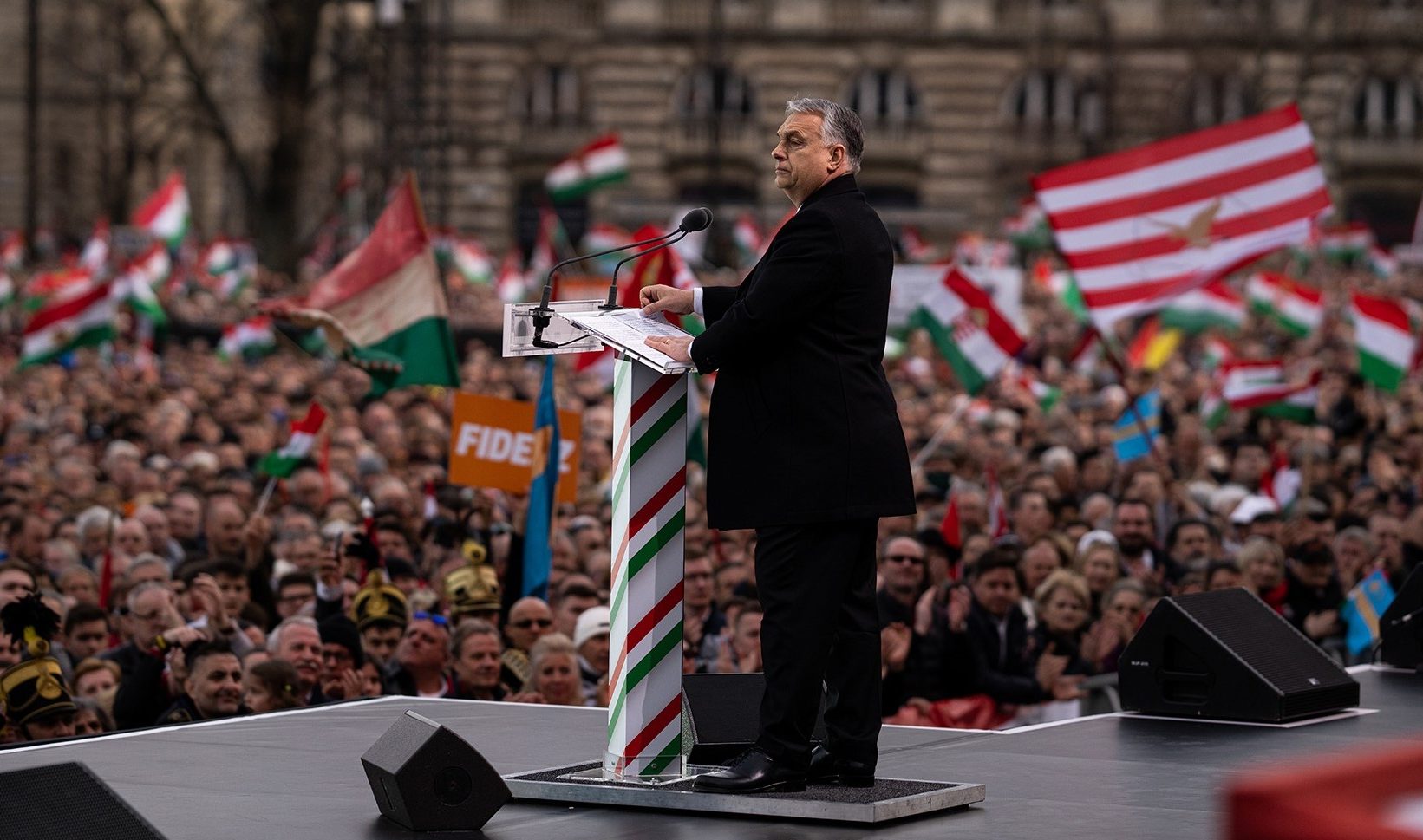
Right wing parties make use of this reasoning and share their nationalist perspectives by advocating harsher legislation with relation to migration and fiscal policies, as they attempt to reduce the influence exerted by the EU. Throughout history it has been made evident that the main manifestation of discontentment with the EU has taken place in the form of right-wing political parties, with some major examples of those being Fidesz in Hungary and PiS in Poland, which have seen conflicting values between their government and the EU for several years. Despite this, it is also clear that the vast left-wing parties, which via their promotion of a deregulation of the free market, also present a Eurosceptic view, one which tends to align with the EU Left Group.
Although this perspective is not as strong as the former, it also leaves an effect, as such left-leaning parties still view the EU as an obstacle to the ability of the national government to freely adopt more liberal policies. As the EU faces opposition via the aforementioned points, it is important to look towards the current internal dynamic with the Member States and European countries in general. The continent is witnessing a shift of European opinion into one which is becoming more right-wing once more. Social democratic and left-oriented views are in retreat and are facing major opposition around the globe, and this trend is coupled with the phenomenon in which the centre-right are preferring to govern with the far right rather than the traditional choice of the centre-left, when provided with the option. This means that governments would be solely composed of right-leaning ideologies, with little to no left representation. The Freiheitliche Partei Österreichs dominates Austrian politics, while the Alternative für Deutschland has become Germany’s second largest party in the surveys and polls, which are the key examples of the right`s growing influence and representation. The far right is in power or growing in association with it in Sweden, Finland, Latvia, Poland, Hungary, Slovakia, Netherlands and Italy. In the meantime, the policies presented by President Emmanuel Macron are struggling and as a result leave the alternative option, the right-wing stronger on a daily basis.
Four decades of deregulation, together with globalisation and European policies have essentially led to the creation of extremist right-wing parties. Few countries facing this situation are prepared to continue the laborious work made by their predecessors in terms of European integration, but the two main ones are Germany and France, in theory, despite both countries facing internal battles over which ideology should prevail over the other. In Germany, the coalition is severely fragile, and the polls indicate the situation will probably worsen. The situation in France is no better, as the Republicans gain authority, who are disinterested in respecting the EU Treaties. Their government has also now unfortunately slowed or stopped several European projects. Other drivers of discontent must also not be dismissed. Some see the rise of Euroscepticism as the result of the re-emergence of identity issues, or due to changes in social values or diversity. Some believe that the older generation and those with lower levels of education are more susceptible to the ideology, and even people who live in places with limited population mobility.
The future of Europe and the EU is plagued with doubt and uncertainty. However, the current situation proves that attitudes which are against European integration have declined in comparison with their peak during the 2010s Syrian refugee displacement crisis and Eurozone crisis.
Countries such as Greece, which have unfortunately experienced major crises ever since the global financial crisis, still retain a high number of their population who display Eurosceptic tendencies and have kept in headlock with the EU institutions over economic reforms since 2008. Eurosceptic movements were also dampened in the 2020s as a collective response for the COVID-19 pandemic and Russian invasion of Ukraine were required, and for which the EU stepped up. In spite of this, it does seem that anti-EU attitudes will most probably increase once more, especially where EU integration and development is concerned. EU citizens tend to view the EU project on a whole as overly bureaucratic and containing non-democratic tendencies, despite their positive approach to the project as a whole, and therefore tend to front a reluctant approach to the expansion of EU institutions. Plans to extend integration on issues such as migration & asylum policy, security & defence policy, as well as the Economic & Monetary Union (EMU), seems to increase Eurosceptic sentiment, as some Member States cannot come to an agreement on how cooperation in these areas should proceed. In addition, with the expansion of the EU into Eastern Europe and the Balkans, anti-immigration sentiments may be driven, as other Member States, especially the wealthier ones, fear these countries drive down wages and rapidly increase migration.
Meanwhile, due to the war against Ukraine and the question of further enlargement of the EU to include Moldova and Ukraine, as well as several countries in the Western Balkans, it seems inevitable that the EU will continue to promote integration and the further enlargement of the Union. The geopolitical situation does make it imperative to integrate these countries into the union as quickly as possible, despite Eurosceptic fears. Questions do arise, however, as the European institutions already struggle with 27 Members, whether they will be able to handle more than 30, or whether such an increase will prove to be more dysfunctional. This raises the question if it is indeed time for Treaty and institutional reform across the European Union.